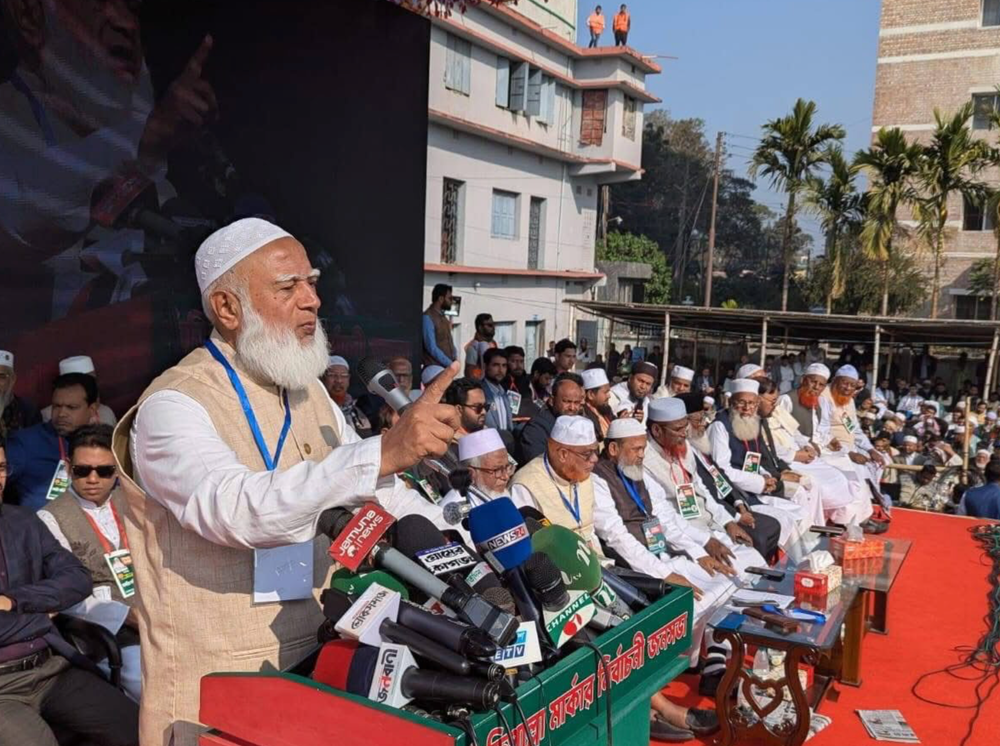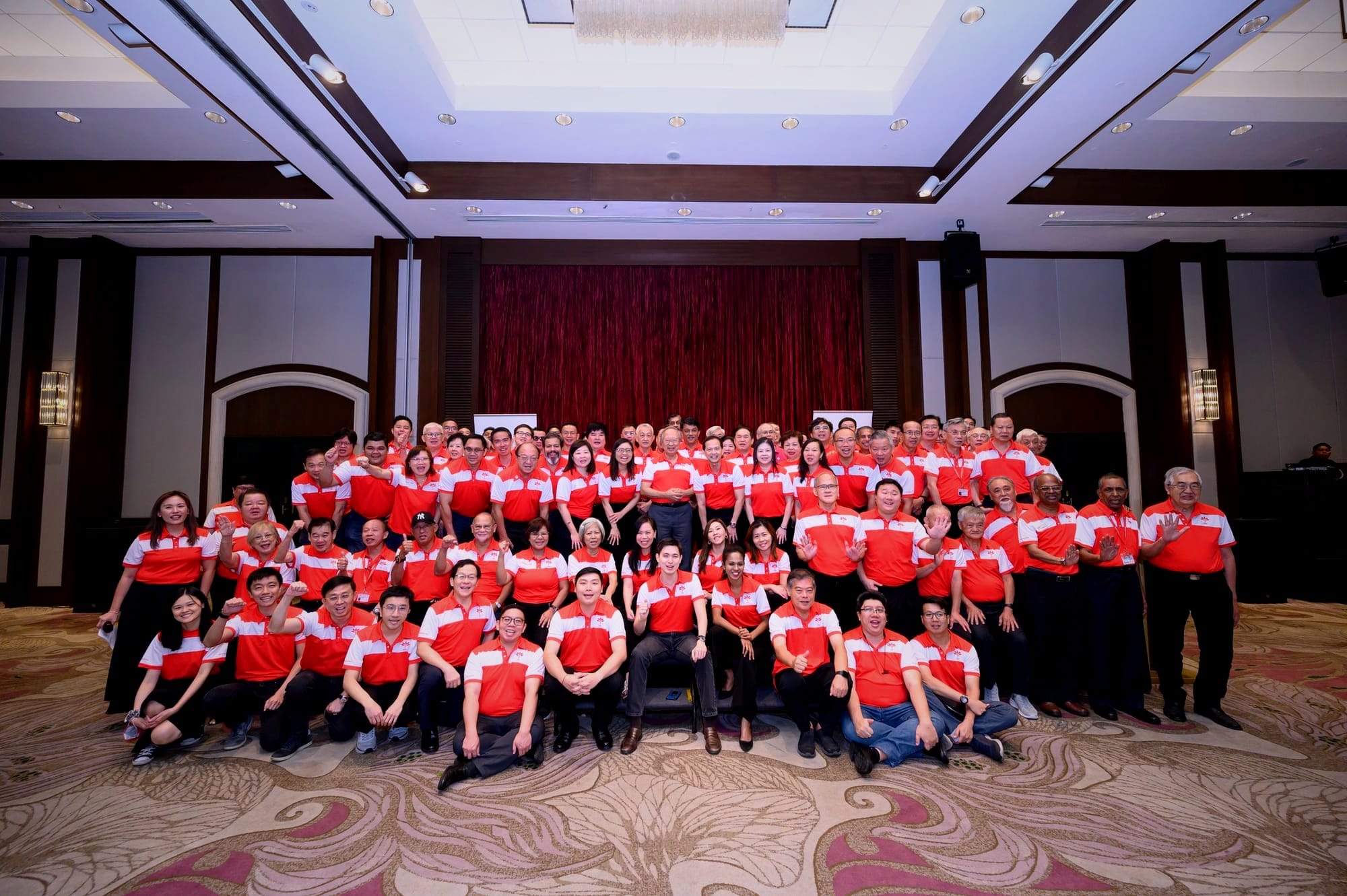
Singapore: on the morning of 4th January at Goodview Gardens, in the heart of Bukit Gombak. Volunteers in party colours had crossed paths, and what should have been an ordinary day of political outreach spiralled into one of the most talked-about confrontations of this election season.
Allegations flew. The ruling People’s Action Party (PAP) claimed Progress Singapore Party (PSP) volunteers had slapped, manhandled, and insulted their team. PSP, for its part, said one of their own had been harassed and intimidated. Within days, senior officeholders took to Facebook — Senior Minister of State Low Yen Ling accused PSP of twisting the truth, and Minister K Shanmugam shared a video captioned simply: “PSP conduct.”
The weight of those words hung heavy over the months that followed. For eight long months, as the nation marched towards the General Election, the case remained under investigation by the Singapore Police Force (SPF) and the Attorney-General’s Chambers (AGC).
Yesterday, the PSP finally received a call. No charges would be filed. No one — neither PAP nor PSP volunteers — would face prosecution. The case was over.
But not quite.
The Party’s Response
In its media statement, PSP accepted the decision, even thanking the SPF for their efforts. Yet a note of disappointment cut through the words. The Police and AGC allegedly have made it clear to the PSP that they would not release a public statement, nor explain their reasoning.
For PSP, this silence leaves “a cloud hanging over all of the individuals involved.” Two questions of theirs remain unanswered: did PSP volunteers ever commit violence? Did PAP volunteers ever intimidate their opponents? Without clarity, PSP believes reputations of ordinary Singaporeans who stepped forward to volunteer are left in doubt.
And that, PSP warns, could have a chilling effect. What if Singaporeans hesitate to serve, fearing their good name could be caught in partisan crossfire?
What Does It Mean For The Rest Of Us?
Beyond the clash of allegations, the story is about something bigger. The lifeblood of democratic politics is not just officeholders and manifestos, but the ordinary citizens who give their time to knock on doors, distribute flyers, and speak to neighbours, gather ground sentiment and deliver grassroots action. A politics of harassment, intimidation and violence from any political party should not be accepted in a mature democracy.
“Harassment has no place in politics,” PSP wrote. “The contest of ideas and political perspectives should always be carried out with mutual respect.”
PSP revealed that now it will turn its energy to the “far greater issues” facing Singaporeans.
Author
News cycles today feel more dehumanising than ever. Netizen's deserve journalist's that believe in the power of narratives to inspire positive change — putting activism before profits and creating a blend of journalism that is raw, human, and alive.
Sign up for The Fineprint newsletters.
Stay up to date with curated collection of our top stories.