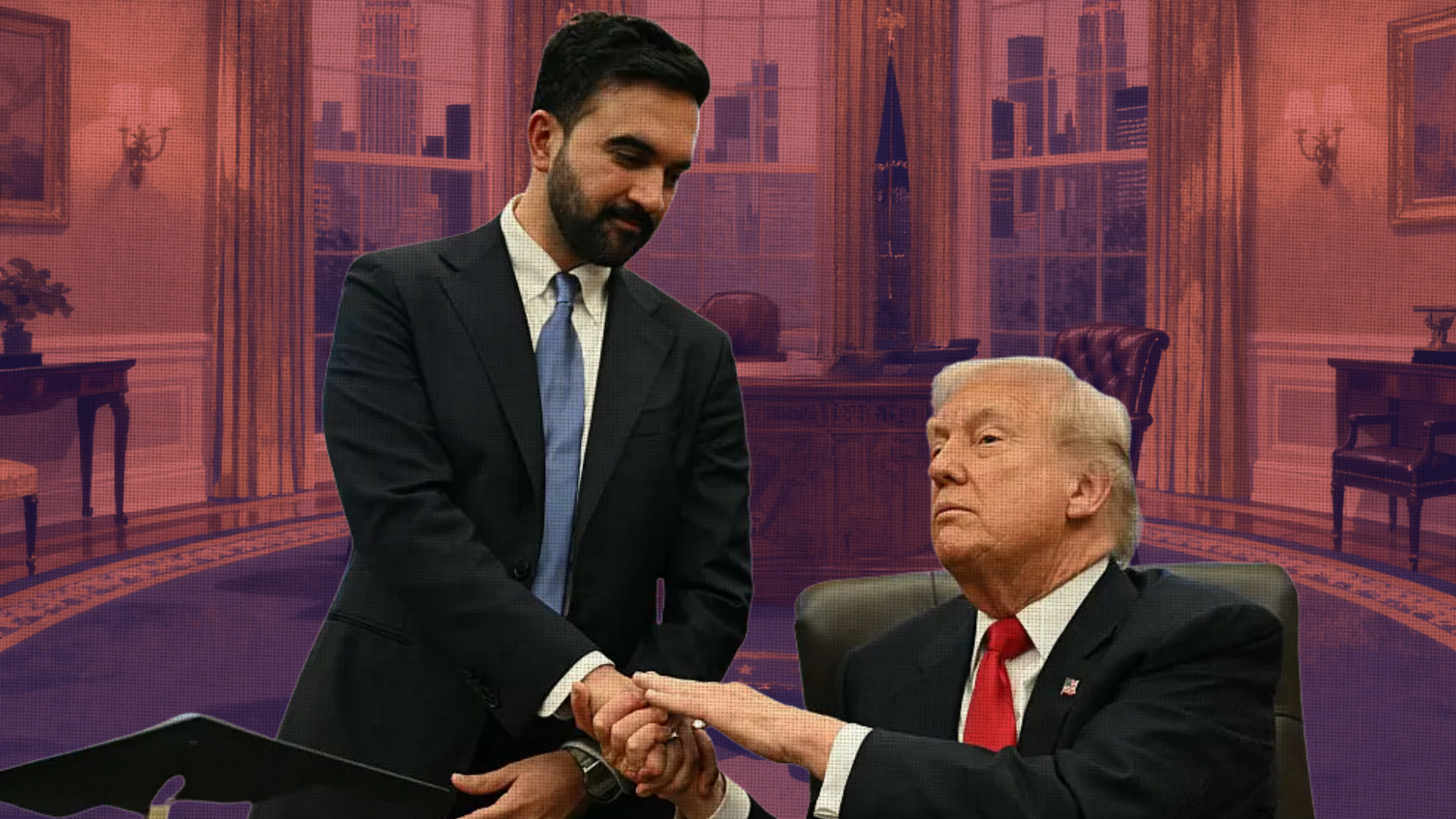
The Trump–Mamdani meeting was sold as unity. It played more like a controlled burn.
For months, the two men threw labels designed to stick in history books, not just headlines: the mayor-elect calling Donald Trump a “fascist” and Trump branding him a “communist” and flirting with stripping New York of federal funds. Then, under the White House chandeliers, the vocabulary shrank to “productive,” “affordability,” and “peace,” as if the earlier language was a campaign costume everyone politely agreed to forget.
From fascist vs communist to “Mr. Mayor”
On camera, Trump did something unusual: he retired the attack lines and elevated Mamdani instead. He praised the 34‑year‑old’s unlikely win over establishment Democrats, called his campaign “remarkable,” and declared that he would be “cheering for him” as mayor of New York City. In exchange, Mamdani dialed down the personal flame—no fresh “fascist” jabs in the Oval Office—while still describing Trump as an authoritarian in interviews days later, a view he said he “has not revised.”
Affordability as the grand bridge
When the temperature rose, both men reached for the same fire extinguisher: affordability. They lingered on rents, grocery prices, energy bills, the everyday arithmetic of living in New York City, and cast this as their primary shared mission. Trump argued that some of Mamdani’s ideas on housing and prices “align” with his own, even suggesting that some of his voters likely backed the socialist mayor-elect.
Affordability, in that moment, became the universal solvent: it dissolves Gaza, Ukraine, and ideology into a single, poll‑tested concern. When everything is reframed as a cost‑of‑living issue, structural violence risks being repackaged as a budget problem.
Safety, ICE, and the sanitized clash
On policing and immigration, the meeting turned technocratic. Mamdani signaled he would maintain confidence in the NYPD to keep the city safe, even as he has condemned abusive immigration raids and called ICE “rogue” in the past. Trump emphasized getting “dangerous criminals” out of the country while lauding the mayor-elect’s focus on crime and public safety as proof that “we agree on more than people think.”
Here, disagreement is translated into “details to work out.” The big question—what kind of state power is being built—gets buried under numbers and job titles.
Who got played?
Outside the building, Curtis Sliwa framed the spectacle as a bait‑and‑switch: months of existential rhetoric ending in an Oval Office “lovefest”. Observers noted that the meeting also helped Trump shift media attention away from damaging stories, including the Epstein document fallout and internal Republican rifts over Israel and tariffs.
So did New Yorkers get played? The honest, uncomfortable answer: it depends what you thought those words—“fascist,” “communist,” “genocide”—were for. If they were moral red lines, then the choreography in Washington looks like betrayal. If they were bargaining chips, then this is exactly how they were meant to be spent: to turn a city’s anger into a president’s narrative of unity, and a mayor’s leverage into federal access.
It is true that Power can coexist with truth‑telling, believing otherwise would be nihilistic. However In the room where Trump & Mamdani finally agreed they “have a lot in common,” the city’s poorest and Gaza’s dead were present mainly as talking points. The rest of us are left to decide whether this is the start of real redistribution through diplomacy—or just another masterclass in how quickly radical language can be domesticated once power consolidates.
Author

News cycles today feel more dehumanising than ever. Netizen's deserve journalist's that believe in the power of narratives to inspire positive change — putting activism before profits and creating a blend of journalism that is raw, human, and alive.
Sign up for The Fineprint newsletters.
Stay up to date with curated collection of our top stories.