National Parks Board and SATS foil attempt to smuggle 35.7 kg of rhinoceros horns; seizure by NParks marks largest haul of rhinoceros horns in Singapore to date
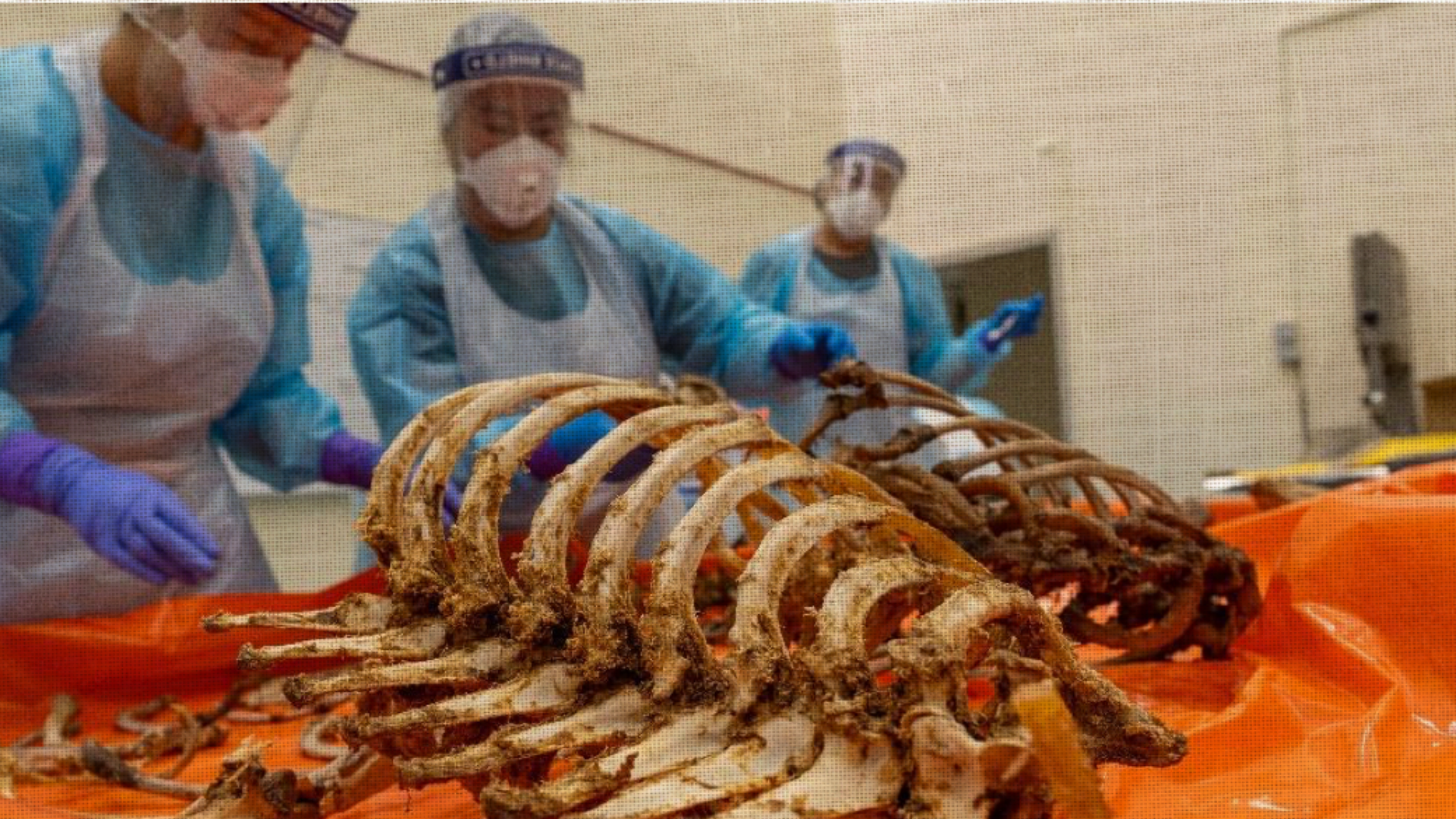
Singapore has intercepted the largest-ever shipment of rhinoceros horns in its history, seizing 35.7 kg of contraband valued at S$1.13 million (US$870,000) at Changi Airport. The haul, discovered on November 8, 2025, was hidden in four cargo containers labeled as "furniture fittings" and destined for Vientiane, Laos. The operation was a collaborative effort between SATS, the air cargo handler, and the National Parks Board (NParks), with the seizure marking a critical escalation in Singapore’s crackdown on illegal wildlife trafficking.
The Foiled Smuggling Operation
The alert was triggered by SATS cargo acceptance staff member Vengadeswaran Letchumanan, who detected a strong odor emanating from the shipment during routine screening. Upon closer inspection, the contents were found to be inconsistent with the declared "furniture fittings." The cargo was escalated to SATS security, and under supervision, one container was opened to reveal animal parts. Subsequent X-ray screening of the remaining three containers confirmed similar contents. The discovery led to the seizure of 20 pieces of rhinoceros horns—identified as white rhinoceros (Ceratotherium simum)—alongside approximately 150 kg of other animal parts, including bones, teeth, and claws.
This seizure surpasses the previous record of 34.7 kg of rhinoceros horns seized in October 2022, also en route to Laos from South Africa. The latest bust underscores the persistent threat of wildlife trafficking through Singapore’s global air cargo hub, and the vigilance required to disrupt these transnational networks.
The Global and Local Stakes
Rhino horns are among the most valuable commodities in the illegal wildlife trade, prized for their use in traditional medicine and as status symbols in certain markets. The white rhinoceros, native to southern Africa, is listed under Appendix I of the Convention on International Trade in Endangered Species of Wild Fauna and Flora (CITES), making international trade in its parts strictly prohibited. Singapore, as a signatory to CITES, enforces a zero-tolerance policy on illegal wildlife trade, with penalties for trafficking CITES-listed species including fines up to S$200,000 per specimen (capped at S$1 million) and up to eight years’ imprisonment.
The seized horns will be disposed of according to CITES guidelines—typically incinerated—to prevent them from re-entering the black market. Authorities are also conducting DNA analysis to trace the origins of the horns and collaborate with international partners, including the University of Pretoria in South Africa, to disrupt supply chains and identify the networks behind the smuggling.
Singapore’s Role in the Fight Against Wildlife Crime
Singapore’s position as a global air cargo hub makes it a prime transit point for wildlife traffickers. The latest seizure highlights the critical role of frontline staff and inter-agency cooperation in detecting and intercepting illegal shipments. SATS and NParks have emphasized the importance of training, vigilance, and community engagement in maintaining Singapore’s reputation as a secure and responsible trade node.
The authorities have urged the public to avoid purchasing wildlife parts and to report any suspicious activity to NParks. This collective vigilance is essential to curbing demand and dismantling the networks that fuel the illegal wildlife trade. The case also serves as a stark reminder of the global scale of wildlife crime and the urgent need for international collaboration to protect endangered species from extinction.
Author

News cycles today feel more dehumanising than ever. Netizen's deserve journalist's that believe in the power of narratives to inspire positive change — putting activism before profits and creating a blend of journalism that is raw, human, and alive.
Sign up for The Fineprint newsletters.
Stay up to date with curated collection of our top stories.