Shein, the online fast fashion giant that conquered global wardrobes with ruthless speed and unsparing prices, has stumbled upon the hard edge of France’s ethical mandate. The trigger? The discovery of illegal weapons and disturbingly childlike adult toys sold on Shein’s platform—products swiftly scrubbed, but not before they ignited an uproar that turned the opening of Shein’s flagship BHV Mar store into a lightning rod for public anger and resistance.
Shein Could Be Banned In France
French authorities have moved swiftly, launching investigations that pierce the brand’s near-invisible web of products and suppliers. Economy Minister Roland Lescure has warned Shein that they could face a nationwide ban. The law, he asserts, allows the government to suspend access to platforms that jeopardize public safety or flout ethical standards. At the heart of this reckoning is the charge that Shein’s global reach has come at intolerable cost—a business model that floods Europe with cheap goods while sidestepping oversight, employing labor practices critics allege verge on child labour, and the treatment of ethical headaches as mere PR problems.
The battle is existential—not just for Shein, but for the soul of global fashion. Local designers pay high taxes, offer competitive salaries, and nurture talent in ateliers where craftsmanship refuses disposability. Shein, headquartered in Singapore but with roots and factories in China, offers an overwhelming alternative: trend-driven, disposable apparel at a fraction of the cost, powered by cheap labor and relentless production cycles.
The result is an uneven playing field, one that’s led some boutique shops to shutter their doors inside BHV, unable—or unwilling—to match Shein’s relentless race to the bottom.
The Machinery Of Unsustainable Fashion
Critics argue it is not simply the clothes that are unsustainable, but the very machinery of fast fashion itself—a system that treats human rights, creative labor, and the environment as expendable resources. The evidence mounts: Belgian consumer tests reveal unsafe products from Shein and its rivals; EU regulators scrap duty-free imports and impose new parcel fees to slow the flood. Under the Digital Services Act, platforms face scrutiny like never before; Shein and Temu have been ordered to bring their practices in line with EU law, or risk being shut out entirely.
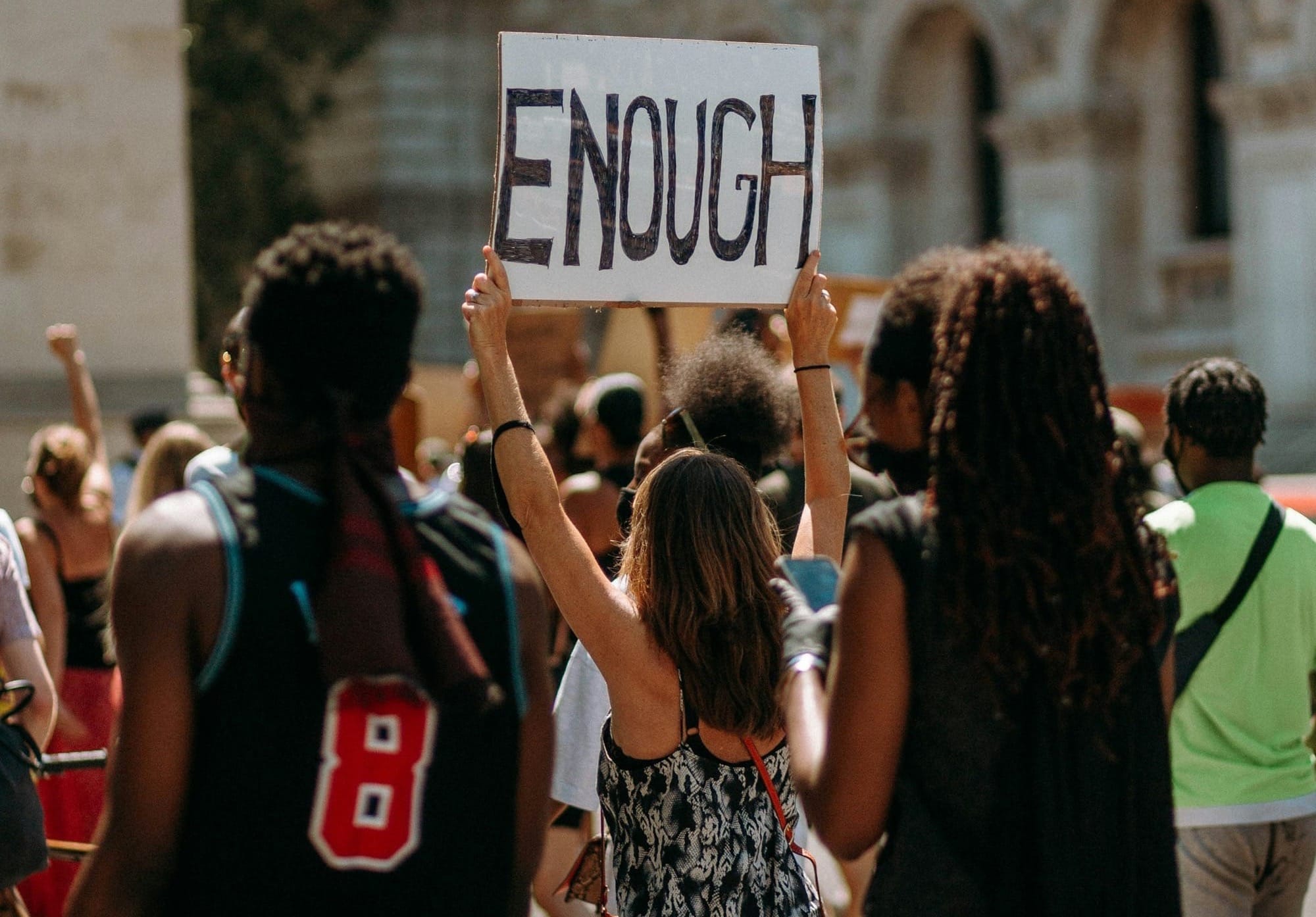
Yet the paradox endures: as protests take place outside, snaking lines of eager shoppers form inside. The promise of something new, something cheap, remains a powerful draw, even as the price is paid elsewhere—by workers, designers, and the planet.
A Deeper Reality
Behind every boycott and investigation is the uneasy truth: fast fashion’s grip tightens as the cost of living rises. Governments, critics say, must do more than police platforms; they must make sustainable fashion attainable to all, not just those with the luxury to choose.
Shein’s Paris drama is not just about scandal—it’s about reckoning with who gets to shape the future of fashion, and at what price. For now, the French protestors are demanding more than shine; they are demanding dignity for the employees of Shein, accountability, and a return to substance over spectacle.
Author

News cycles today feel more dehumanising than ever. Netizen's deserve journalist's that believe in the power of narratives to inspire positive change — putting activism before profits and creating a blend of journalism that is raw, human, and alive.
Sign up for The Fineprint newsletters.
Stay up to date with curated collection of our top stories.


