What is happening in Makoko
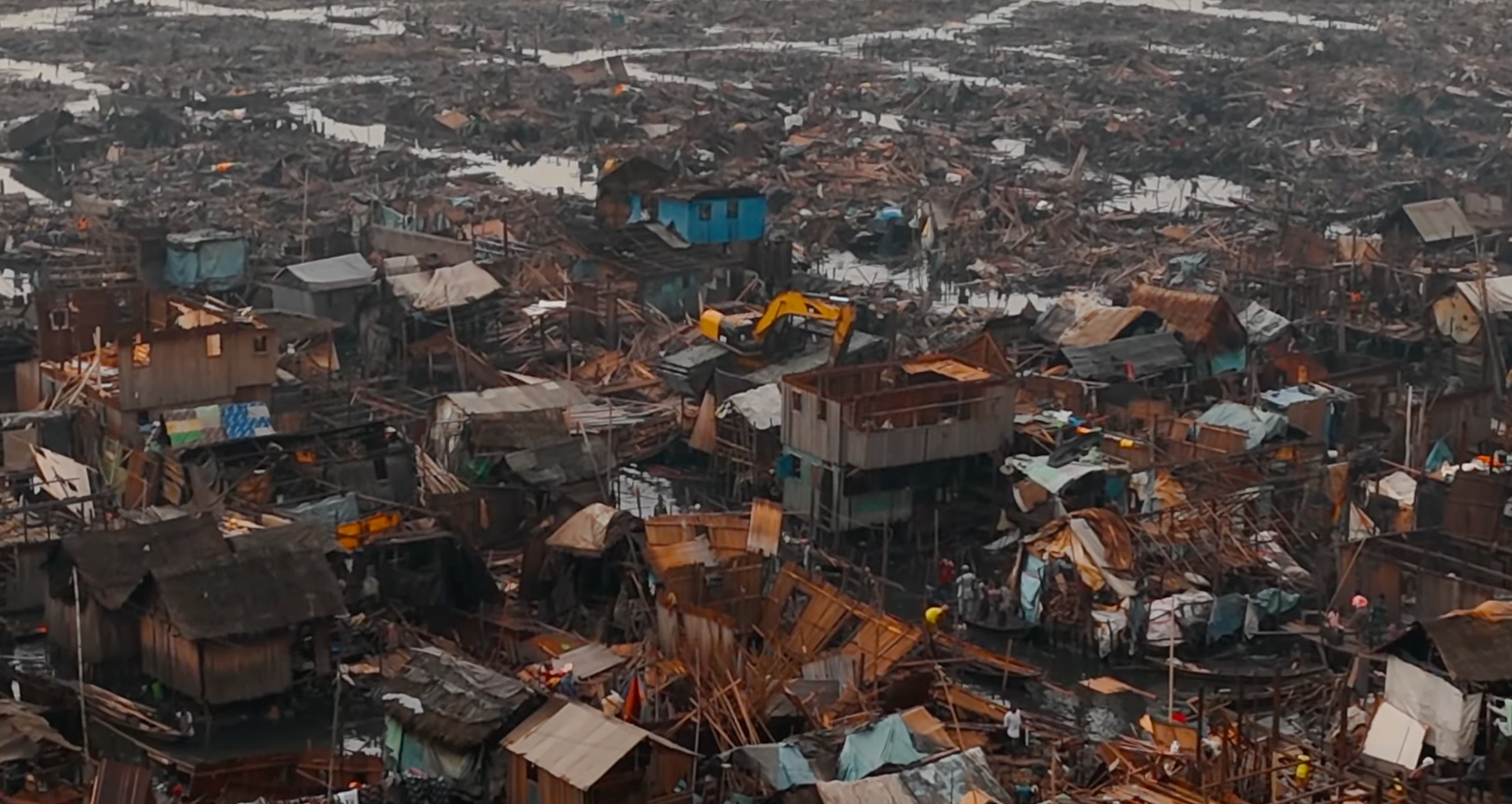
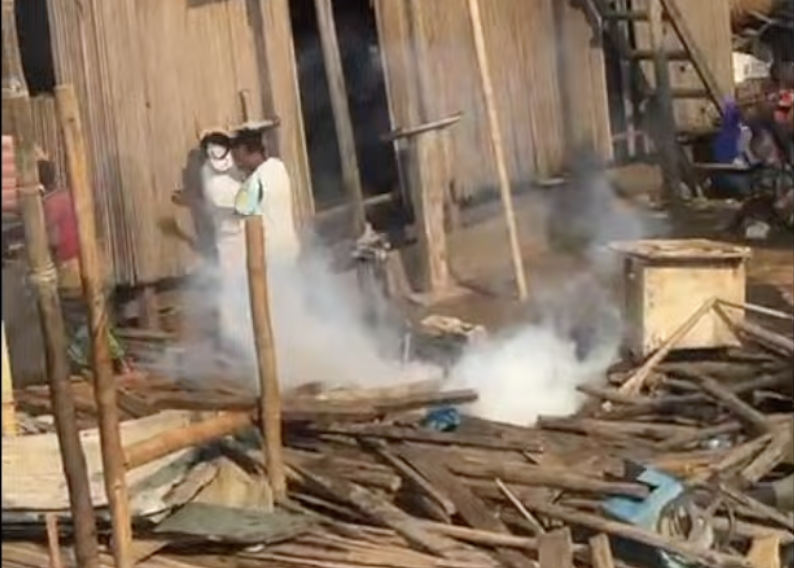
Makoko, a historic lagoon-side community of over 100,000 people, has faced a new wave of “urban renewal” demolitions since late December 2025. Amphibious excavators escorted by armed police have been dismantling wooden homes on stilts and along the waterfront, pushing families into boats, rubble, or the open air.
Residents and civil society groups say thousands have been displaced in this latest operation alone, with families forced to sell roofing sheets and scrap wood just to eat, those who have attempted to rebel against the demolition of their homes have been shot.
No notice, no safety net
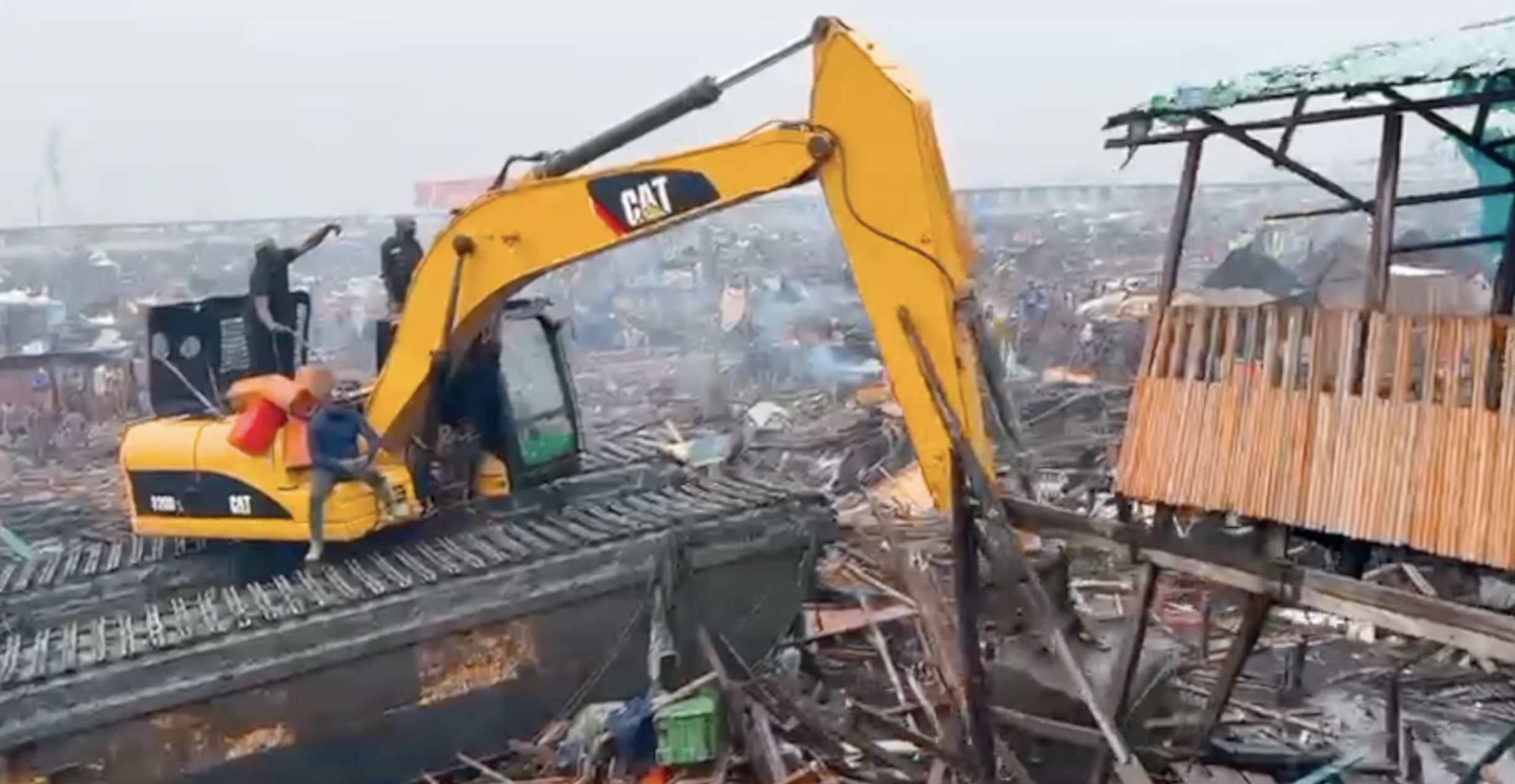
Many residents say they received either no formal notification at all or only vague references to “setbacks” from power lines, followed by bulldozers pushing far beyond those supposed boundaries.
There is no clear system of profiling, documentation, or house numbering, which means there is also no serious pathway for compensation or resettlement; the state erases homes while keeping no record of what it has destroyed. This is not just administrative negligence—it is a method that leaves families invisible the moment their walls go down.
Counting the dead in the dust
Different groups are struggling to tally the human cost, but the pattern is consistent: people are dying in an operation officially framed as “development.” Rights coalitions and local advocates report at least 10 people killed across the wider demolition drive in Lagos waterfront communities, including Makoko, with infants and children among the toll.
Corruption, power, and whose city gets built
Nigeria sits near the bottom of global corruption rankings, with watchdogs consistently flagging systemic graft, weak accountability, and political capture of public institutions. In Lagos, that abstract index reads like a war-zone, a $200 million World Bank–backed project intended to upgrade slums without displacing residents now coexists with violent evictions, destroyed schools and clinics, and waterfront land suddenly freed up for “development.”
When demolitions advance without proper notice, documentation, or resettlement, the law is not neutral—it is selective. High-minded language about safety around power lines and master plans means little when those most exposed to risk are the same people being teargassed in their homes and pushed into deeper poverty to clear land they do not control.
A lifeline: rebuilding an orphanage on water
Amid the wreckage, some of the most fragile spaces—like orphanages—have been hit, leaving children with nowhere to sleep, learn, or heal. One long-running effort tied to Makoko is by Indigo Traveller (Nick), who has been raising funds to build and support an orphanage on the water for some of the community’s most vulnerable children.
Readers who want to move from outrage to repair can support his fundraising run here:https://www.justgiving.com/crowdfunding/helpsavemakoko. In a city where demolition notices are whispered, not delivered, every contribution to a child’s shelter, food, and schooling becomes a quiet, stubborn vote for a different kind of future for Makoko.
Author

News cycles today feel more dehumanising than ever. Netizen's deserve journalist's that believe in the power of narratives to inspire positive change — putting activism before profits and creating a blend of journalism that is raw, human, and alive.
Sign up for The Fineprint newsletters.
Stay up to date with curated collection of our top stories.