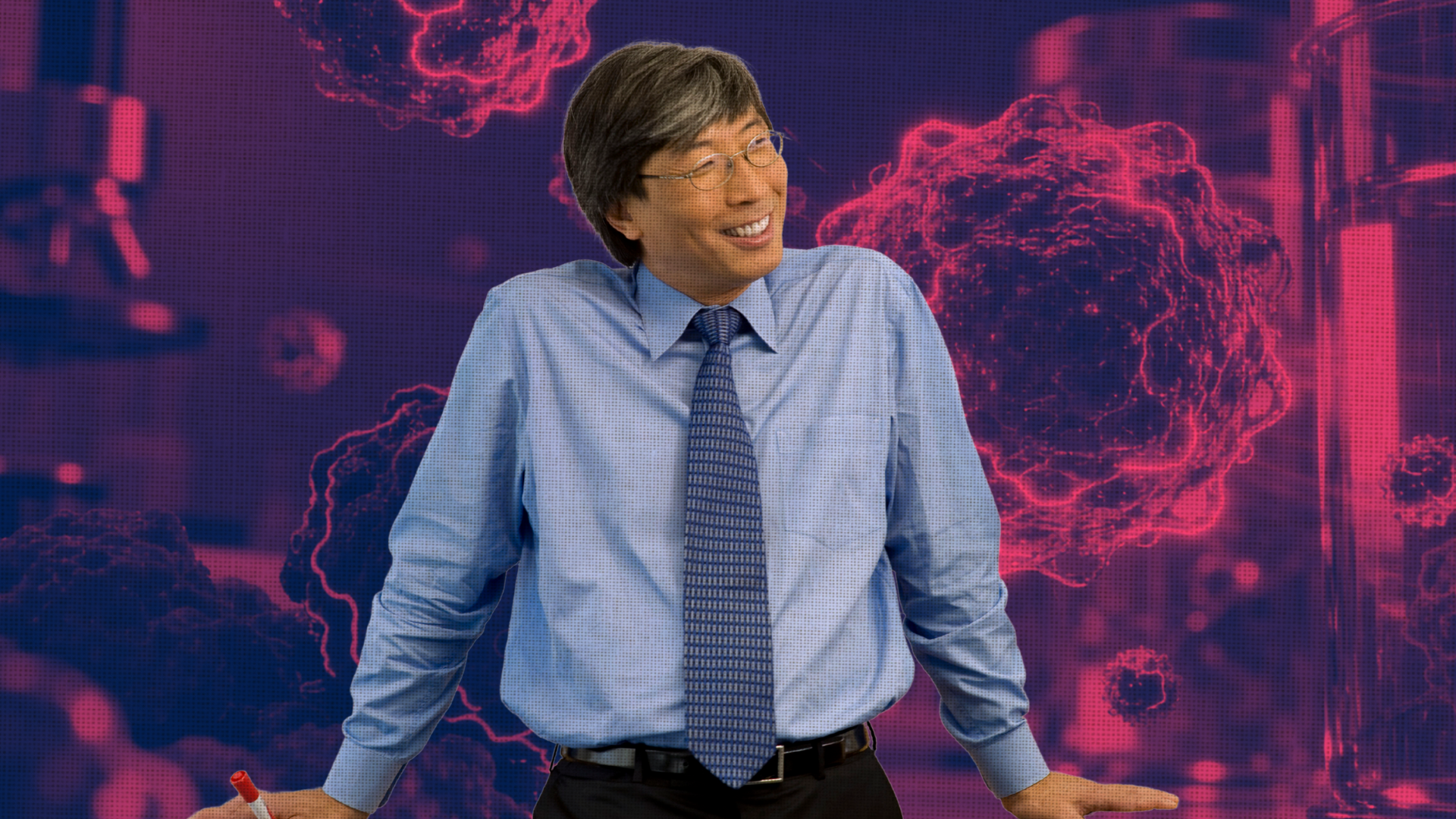
For decades, we've "poisoned" cancer patients with chemotherapy and radiation, destroying the very immune cells that could save them. Now, a billionaire doctor claims he's found a better way—one that your body already knows.
Dr. Patrick Soon-Shiong has developed a cancer treatment that activates your body's natural killer cells instead of obliterating them. These microscopic warriors patrol your bloodstream, hunting down cancer cells before they can grow into tumors. His drug, Anktiva, doesn't attack cancer directly. It wakes up the immune system you were born with.
The results tell a story that oncologists call impossible. Bladder cancer patients facing surgery to remove their organs are walking around tumor-free years later. Brain cancer patients given months to live are still alive. Some haven't seen cancer return in over four years.
How Your Body Already Fights Cancer
Every day, cells in your body mutate. Most of the time, natural killer cells—specialized white blood cells—destroy these rogue cells before they become problems. But cancer is smarter. It hides from your immune system, disguising itself as healthy tissue.
Chemotherapy and radiation kill rapidly dividing cells—including the immune cells you need most. Studies show that after chemotherapy, some immune cells recover to only 60 percent of their original levels even nine months later. You're left weaker, more vulnerable, caught in what Soon-Shiong calls a "circle of death".
A Different Approach
Anktiva uses a molecule called interleukin-15 that your body already produces. This molecule multiplies and supercharges natural killer cells, turning them into an army capable of recognizing and destroying cancer. The drug doesn't just boost these cells temporarily—it creates memory, training your immune system to remember cancer and fight it long-term.
The FDA approved Anktiva in April 2024 for a specific type of bladder cancer. In clinical trials, 62 percent of patients achieved complete remission, with some responses lasting over 47 months and still ongoing. The side effects? Minimal—comparable to existing bladder treatments but without the toxic devastation of chemotherapy.
The Roadblock
Despite these results, Soon-Shiong faces a wall of resistance. The FDA approved Anktiva for only one narrow cancer type, even though the mechanism works across many cancers. To expand approval, regulators demand years of additional trials. Meanwhile, 10,000 desperate patients request access daily.
In May 2025, the FDA refused to even review an application to expand Anktiva's use to another bladder cancer subtype—despite approving the drug for a nearly identical condition using the same clinical trial data. The inconsistency baffles medical experts. One investigator called the decision "incomprehensible".
Soon-Shiong argues the system financially rewards keeping patients sick rather than cured. Cancer centers generate revenue from chemotherapy infusions. Pharmaceutical companies profit from treatments that manage disease rather than eliminate it. Regulatory agencies demand evidence that takes decades to produce while patients die waiting.
What Comes Next
The FDA granted expanded access for Anktiva across all tumor types in June 2025, allowing some patients to receive treatment outside formal trials. But access remains limited by capacity and doctor willingness to abandon standard protocols. Soon-Shiong estimates hundreds, possibly thousands, have benefited from his approach, but the majority remain unserved.
Author

News cycles today feel more dehumanising than ever. Netizen's deserve journalist's that believe in the power of narratives to inspire positive change — putting activism before profits and creating a blend of journalism that is raw, human, and alive.
Sign up for The Fineprint newsletters.
Stay up to date with curated collection of our top stories.