Introduction
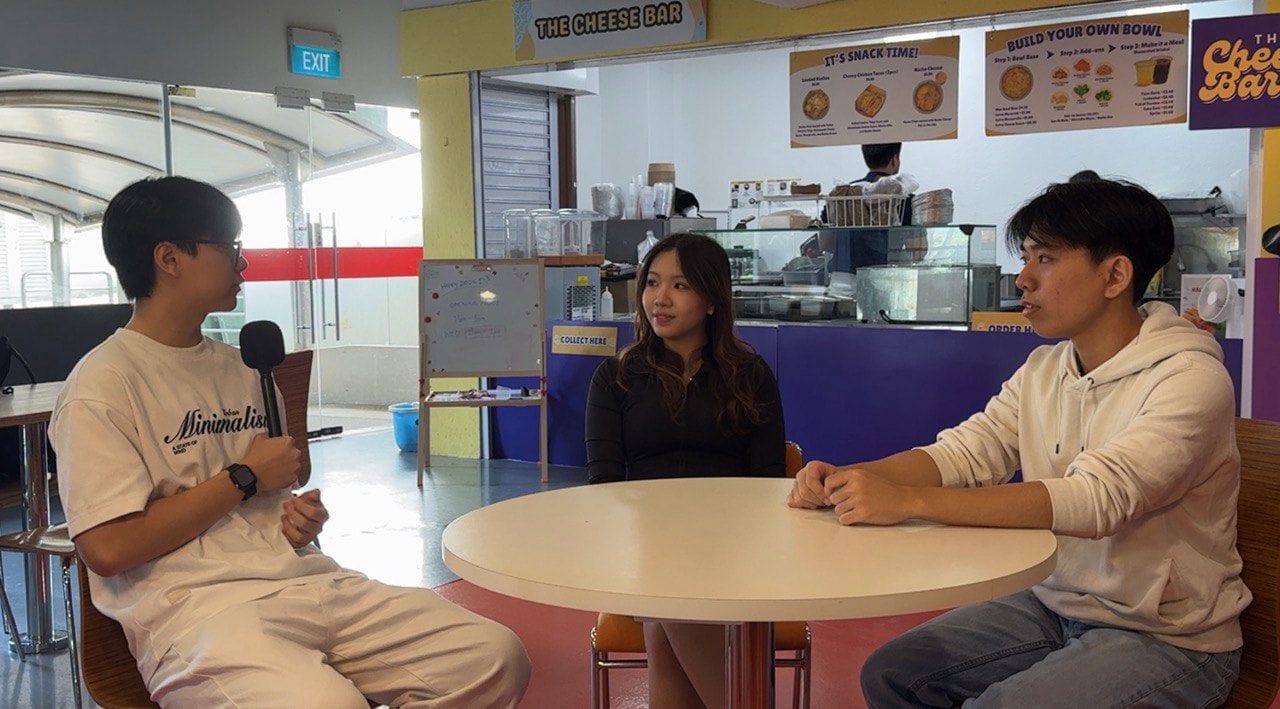
The Cheese Bar is a student-led food and beverage (F&B) stall located at OurSpace within Ngee Ann Polytechnic. Established through the Be Your Own Boss (BYOB) competition, the venture emerged as one of its winning concepts. Managed under the Polytechnic’s innovation and entrepreneurship ecosystem by The Sandbox office, the BYOB programme provides students with funding and the opportunity to operate a real F&B stall on campus, enabling the translation of business ideas into practical, real-world ventures within a controlled environment.
Innovating Comfort Food Through Localisation
The Cheese Bar exemplifies how culinary innovation can emerge from adapting familiar concepts to local preferences. Built around a core offering of mac and cheese, the business differentiates itself by incorporating Asian-inspired flavours and reducing the heaviness typically associated with Western-style cheese dishes. This localisation strategy allows the product to resonate more strongly with Singaporean taste profiles while maintaining the comfort-food appeal of cheese-based cuisine.
Customisation further strengthens the value proposition. By allowing customers to build their own bowls with various toppings, the business caters to diverse preferences and enhances customer engagement. This flexibility has helped position mac and cheese as the brand’s signature product while avoiding the perception of a one-dimensional menu. Over time, the introduction of complementary items such as tacos, nachos, and baked potatoes demonstrates a deliberate effort to sustain novelty and reduce menu fatigue among repeat customers.
Operational Discipline and Customer-Centric Growth
Operational consistency plays a critical role in sustaining the Cheese Bar’s reputation. Daily preparation routines begin two hours before opening, ensuring that ingredients are freshly prepared from scratch. The use of real cheese instead of powdered alternatives reinforces product quality and aligns with the brand’s emphasis on authenticity. Such operational discipline reflects a strong understanding of food safety, quality assurance, and customer expectations in the F&B industry.
Rather than relying heavily on digital marketing, the Cheese Bar has grown primarily through word-of-mouth and repeat patronage. A loyalty card system has revealed that many returning customers actively introduce new patrons, suggesting high satisfaction levels. While social media remains underutilised due to resource constraints, institutional support from the polytechnic ecosystem—including campus media exposure and entrepreneurial platforms—has compensated for this limitation and enabled sustained visibility.
Balancing Entrepreneurship and Academic Commitments
The Cheese Bar also highlights the challenges of student-led entrepreneurship. Managing academic responsibilities alongside daily business operations requires personal sacrifice, particularly in time and rest. However, the presence of a committed co-founder and a reliable staff team mitigates operational strain and allows continuity during peak academic periods. This underscores the importance of teamwork, trust, and delegation in early-stage ventures.
Conclusion
Overall, the Cheese Bar illustrates how student entrepreneurs can transform a simple food concept into a viable business through localisation, operational rigour, and strategic use of institutional support. Its journey demonstrates both the opportunities and challenges of entrepreneurship within an educational setting, reinforcing the role of polytechnic environments as effective incubators for innovation.
Author

Jovan Goh is an entrepreneurship enthusiast passionate about how innovation, design, and technology shape new business ideas and trends.
Sign up for The Fineprint newsletters.
Stay up to date with curated collection of our top stories.


