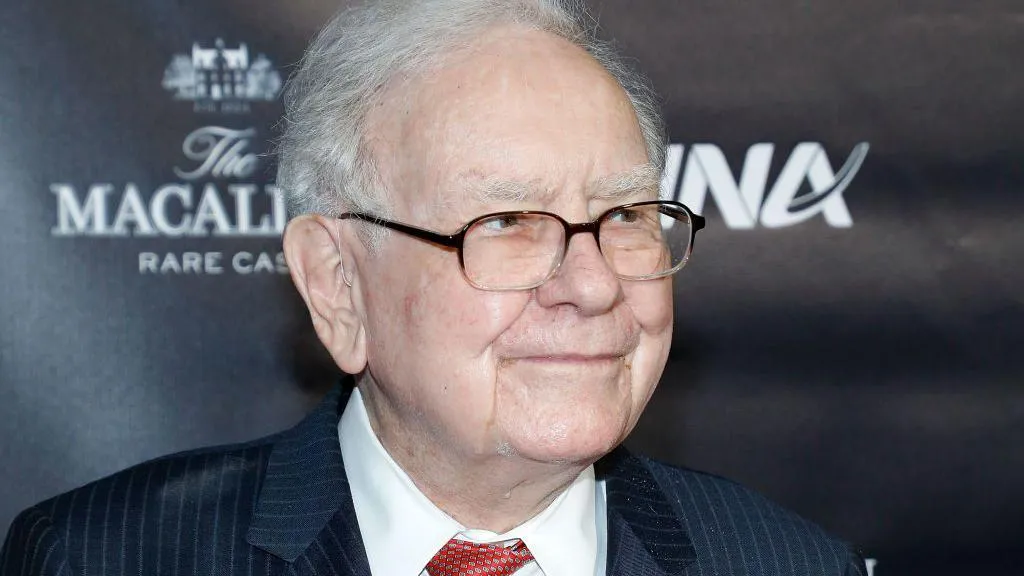
OMAHA, NEBRASKA — On January 1, 2026, the world of global finance witnessed the closing of its most storied chapter. After six decades at the helm, Warren Buffett, the 95-year-old "Oracle of Omaha," officially stepped down from his role of Chief Executive Officer of Berkshire Hathaway, handing the reins of his trillion-dollar empire to longtime deputy Greg Abel.
While the transition has been choreographed for years, the reality of a Berkshire without Buffett at the day-to-day wheel sent ripples through the market. As of early January, Berkshire shares have faced what analysts call a "succession discount," as investors grapple with the departure of a leader who transformed a failing New England textile mill into a microcosm of the American economy.
A Masterclass in Succession
The handover to Greg Abel, 63, marks the completion of one of the most scrutinised succession plans in corporate history. Abel, who built his reputation running Berkshire’s massive energy division, has spent years shadowing Buffett.
"He is a great manager, a tireless worker, and an honest communicator," Buffett wrote in a recent letter to shareholders. "I’d rather have Greg handling my money than any of the top investment advisors or any of the top CEOs in the United States."
The $381 Billion Question
Buffett leaves the CEO office not with a whimper, but with a record-breaking $381 billion mountain of cash. In his final quarters, the Oracle was uncharacteristically defensive, aggressively trimming Berkshire’s iconic stake in Apple and selling off significant portions of Bank of America.
In a parting move that surprised many value-purists, Buffett’s final major acquisition as CEO was a multi-billion dollar position in Alphabet (Google), signalled in late 2025. It was a rare late-career pivot into Big Tech, suggesting that even at 95, Buffett’s "circle of competence" was still expanding.
"Going Quiet"—But Not Gone
For those fearing the immediate disappearance of the world's most famous investor, there is some comfort. Buffett will remain Chairman of the Board and intends to keep his office at Blackstone Plaza.
In a recent interview with CNBC, a sharp and spirited Buffett assured the public that everything would be the same at Berkshire. He doubled down on his long-term optimism, claiming the company has a better chance of being around in 100 years than almost any other firm in existence.
"As the British would say, I'm 'going quiet.' Sort of," Buffett wrote. "I enjoy the chance to keep in touch with you."
A Legacy of Values
Beyond the 5.5 million percent gain in share price over his tenure, Buffett’s true legacy may be his insistence on "reputational capital." He famously told his managers that he could afford to lose money—even a lot of money—but he could not afford to lose a shred of reputation.
As Greg Abel takes the corner office, he inherits more than just a portfolio of railroads, insurance giants, and energy grids. He inherits a philosophy of patience and integrity that has defined modern value investing.
The Oracle has left the building, but his voice—through decades of annual letters and the sheer momentum of the culture he built—is likely to echo through the halls of Berkshire Hathaway for the next century.
Author
I hold a deep passion for tracking and analyzing the latest corporate performance and broader financial news. I enjoy understanding how these developments shape market trends and investment strategy.
Sign up for The Fineprint newsletters.
Stay up to date with curated collection of our top stories.