No Females In Positions Of Power
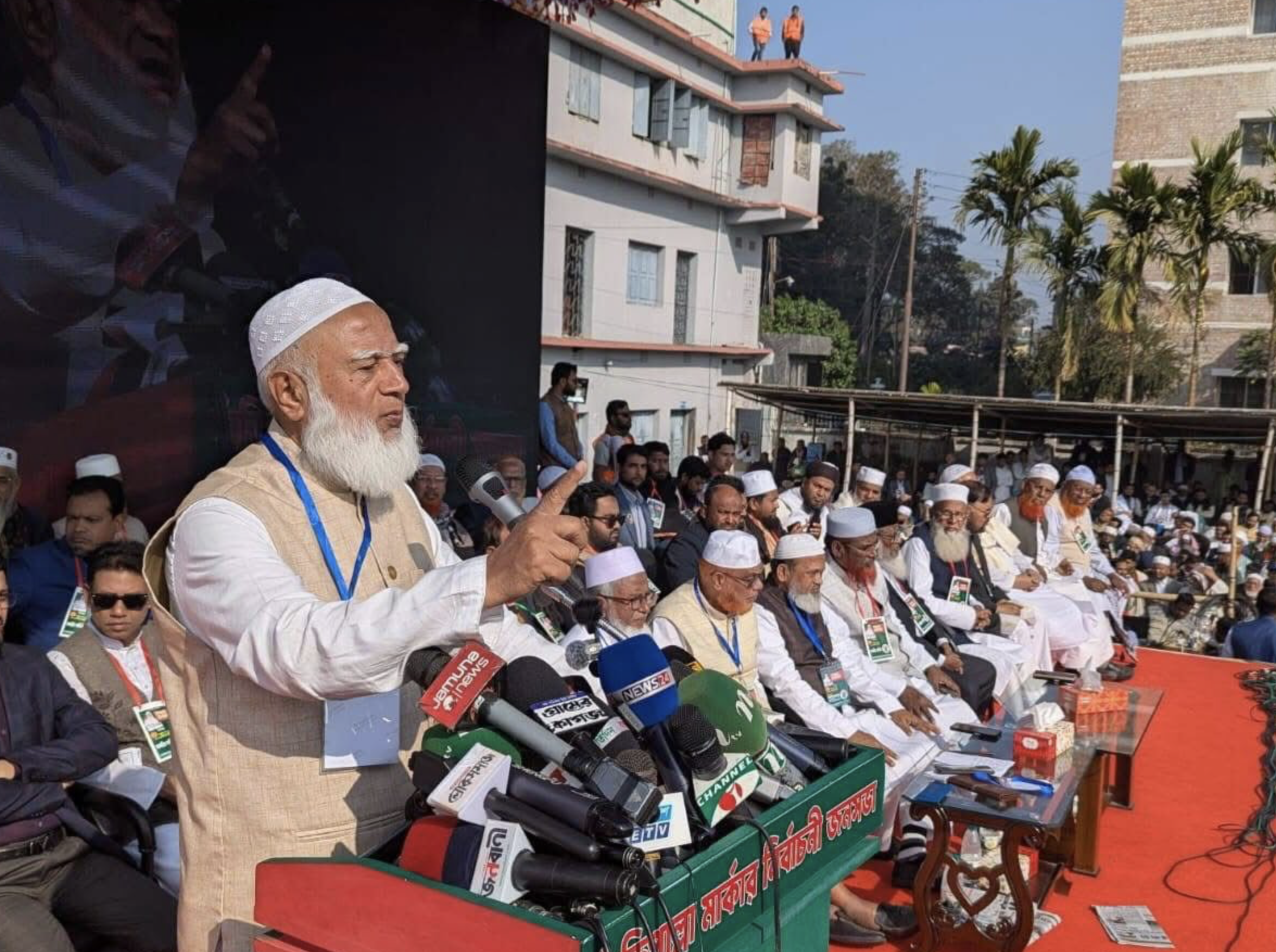
Jamaat-e-Islami has decided not to field any female candidates in the 2026 parliamentary election in Bangladesh, citing centuries-old theocratic orders and gender roles, claiming that women cannot assume leadership due to responsibilities related to childbearing and nurturing.
Conflicting Remarks By Jamaat leaders
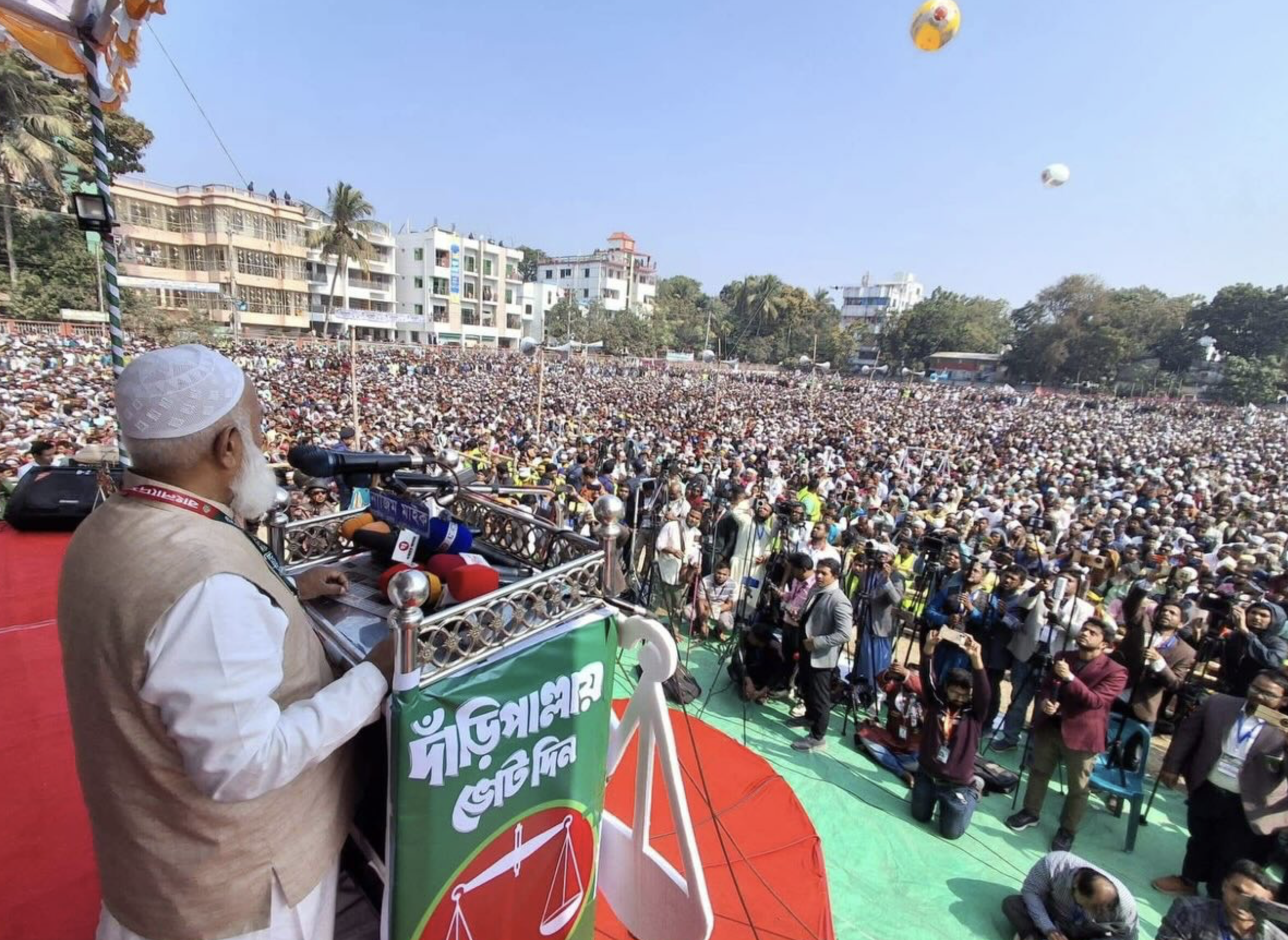
Emir Shafiqur Rahman has said that the party will contest the election under existing laws, stating that they wish to better represent the will of the people of the nation.
This statement conflicts with remarks made by Mujibur Rahman, the party’s second-in-command, who said at a rally one month ago that “Bangladesh should be run in an Islamic order with no space for man-made systems.”
Beyond internal conflicting claims between the more liberal and conservative party members within the Political Islam spectrum, Jamaat is, on paper, running on a campaign for anti-corruption, democracy, and transparency of government.
All other major political parties in Bangladesh, including its main rival, the Bangladesh Nationalist Party, and the banned Awami League, have documented authoritarian tendencies, extrajudicial prosecutions, criminal charges for corruption, and suppression of media and the right to protest.
Does Jamaat really Have A Clean Slate?
In 1971, Jamaat-e-Islami’s leadership was not just ideologically aligned with Pakistan’s war effort against Bengali Sovereignty — several of its top figures were later found judicially responsible for atrocities carried out alongside the Pakistani military. Ghulam Azam, the party’s central figure in East Pakistan and later Ameer in independent Bangladesh, was convicted of planning, incitement, and complicity in crimes against humanity, embodying Jamaat’s political partnership with Pakistan’s generals.
Around him stood a cadre of leaders who moved from mosque and campus to militia and torture cell. Motiur Rahman Nizami, then the head of Jamaat’s student wing, was convicted and executed for commanding Al-Badr–linked operations involving genocide, murder, rape, and torture.
Taken together, this roster of names turns “Jamaat’s complicity” from an abstract allegation into a concrete chain of command: party chiefs, regional organizers, and student leaders who, court judgments say, helped translate Pakistan’s military strategy into local lists, raids, executions, and the terrorising of minorities in what would become Bangladesh.
Amnesty International has recorded that when a coalition between Jamaat and the Bangladesh National Party formed the government, there was a marked rise in abuses against minorities, including Bangladeshi Hindus and Buddhists.
Offices of major newspapers — The Daily Star and Prothom Alo — have been vandalised and set on fire by activists and protestors, particularly after inflammatory remarks by Jamaat-e-Islami’s student wing.
The Will Of The Students
Nahid Islam, chair of the student-founded Left-Wing National Citizen Party (NCP), which is contesting its first national election, says, “There is no consensus on what post-revolution Bangladesh should look like. We have realised that our fight will be long-term.”
Unlike established parties, the NCP lacks access to deep pockets of funding. One of its most contentious decisions has been whether — and with whom — to form alliances to boost its chances of winning seats.
Last month, the NCP formed an alliance with Jamaat-e-Islami, Nahid Islam says it was a pragmatic, not ideological, surrender. “When we are forming an electoral alliance, we are not abandoning our own political beliefs. It’s just a strategic alliance,” he says.
The Liberal NCP wants to rewrite the constitution, reform education and healthcare, and rebuild a democracy grounded in “empathy, unity, and harmony.” Translating the ideals into an electoral strategy, though, has tested the party’s cohesion.
The alliance with Jamaat-e-Islami immediately triggered dozens of resignations.
Author
News cycles today feel more dehumanising than ever. Netizen's deserve journalist's that believe in the power of narratives to inspire positive change — putting activism before profits and creating a blend of journalism that is raw, human, and alive.
Sign up for The Fineprint newsletters.
Stay up to date with curated collection of our top stories.